Where to Put an Outdoor Sauna: Siting, Base and Power
Where to put an outdoor sauna matters more than which model you pick. Where it goes, and what it sits on, decides whether you use it all winter or only when the path is clear.
This guide covers siting, foundations, heat sources and the cool-down space, the four things that make an outdoor sauna work in a Canadian yard.
1. Choose the spot
✓Close enough to the house for a short walk in a towel in January.
✓On a path you can keep clear of snow, ideally lit.
✓Private from neighbours' windows and the street.
✓Away from overhanging branches that drop debris and snow.
✓With room for a cool-down area beside it.
✓Within your municipality's setbacks from lot lines and other buildings.
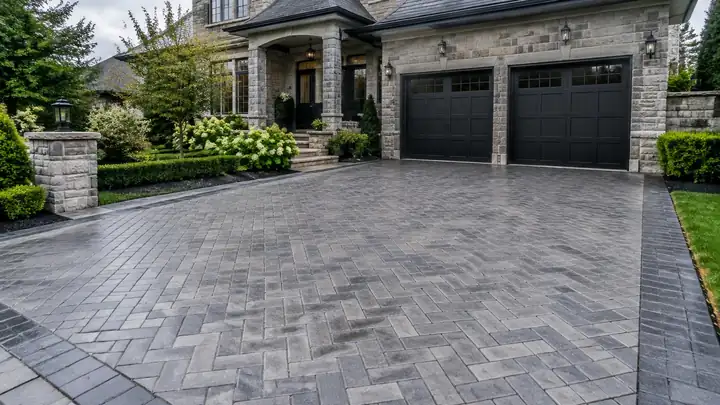
A level, paved base keeps a barrel sauna true and dry.
2. Build a proper base
A sauna is heavy, and a barrel sauna in particular must sit perfectly level for its staves and bands to stay tight. The base also has to stay dry and resist frost movement. Common options:
•Compacted granular base with pavers or slabs: drains well and suits most barrel and cabin kits.
•Concrete pad: very stable; needs proper base preparation beneath it and a slight slope for drainage.
•Deck or footings: useful on sloped sites, built to carry the sauna's weight.
Whatever the base, water needs somewhere to go, both rain and the water that drips off bathers.
3. Electric or wood-fired?
Electric heater
Convenient and easy to control, often with timers or app pre-heating. Most outdoor sauna heaters need a dedicated circuit, which usually means an underground cable from the house panel. In Ontario that is electrical work requiring an ESA permit and a licensed electrical contractor.
Wood-burning stove
Traditional heat and no electrical service needed, though you may still want a light. It needs a chimney with proper clearances, a spark arrestor, and attention to local fire and open-air burning rules. You will also need dry wood storage nearby.
Electric for convenience; wood for tradition.
4. Plan the cool-down
Half of a sauna session happens outside it. Plan a spot to cool off: a bench, a cold shower or plunge tub, and somewhere to stand that isn't icy. A small paved or decked landing, a hook for towels and robes, and low path lighting make the routine easy in winter.
A deck landing outside the door makes the routine easy in winter.
5. Upkeep
✓Leave the door and vents open after use so the interior dries.
✓Treat the exterior wood with a suitable finish as the manufacturer recommends.
✓Check and retighten barrel bands seasonally, as wood moves with humidity.
✓Keep the roof and surroundings clear of snow buildup.
Common questions
Does an outdoor sauna need a permit?
It depends on its size, location, and the electrical or wood-burning setup. Small accessory structures may not need a building permit, but electrical work always needs an ESA permit, and zoning setbacks still apply. Check with your municipality.
How far from the house can a sauna be?
As far as your lot and setbacks allow, but closer is usually better for winter use. Longer electrical runs cost more and need correctly sized cable.
Can a sauna go on an existing deck?
Only if the deck is designed for the weight, which is concentrated and heavy. A structural check, and often added framing or footings, is needed.