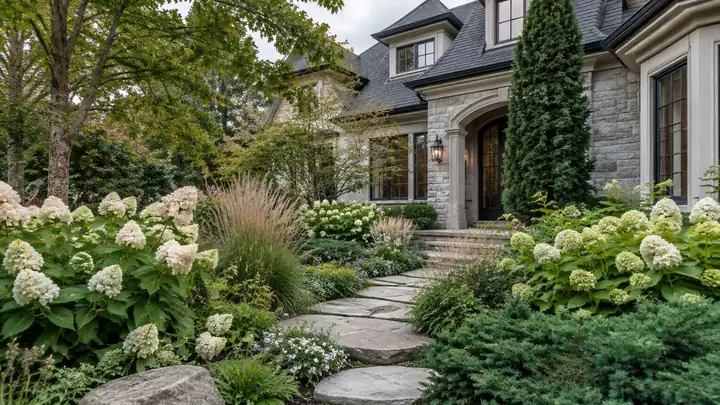
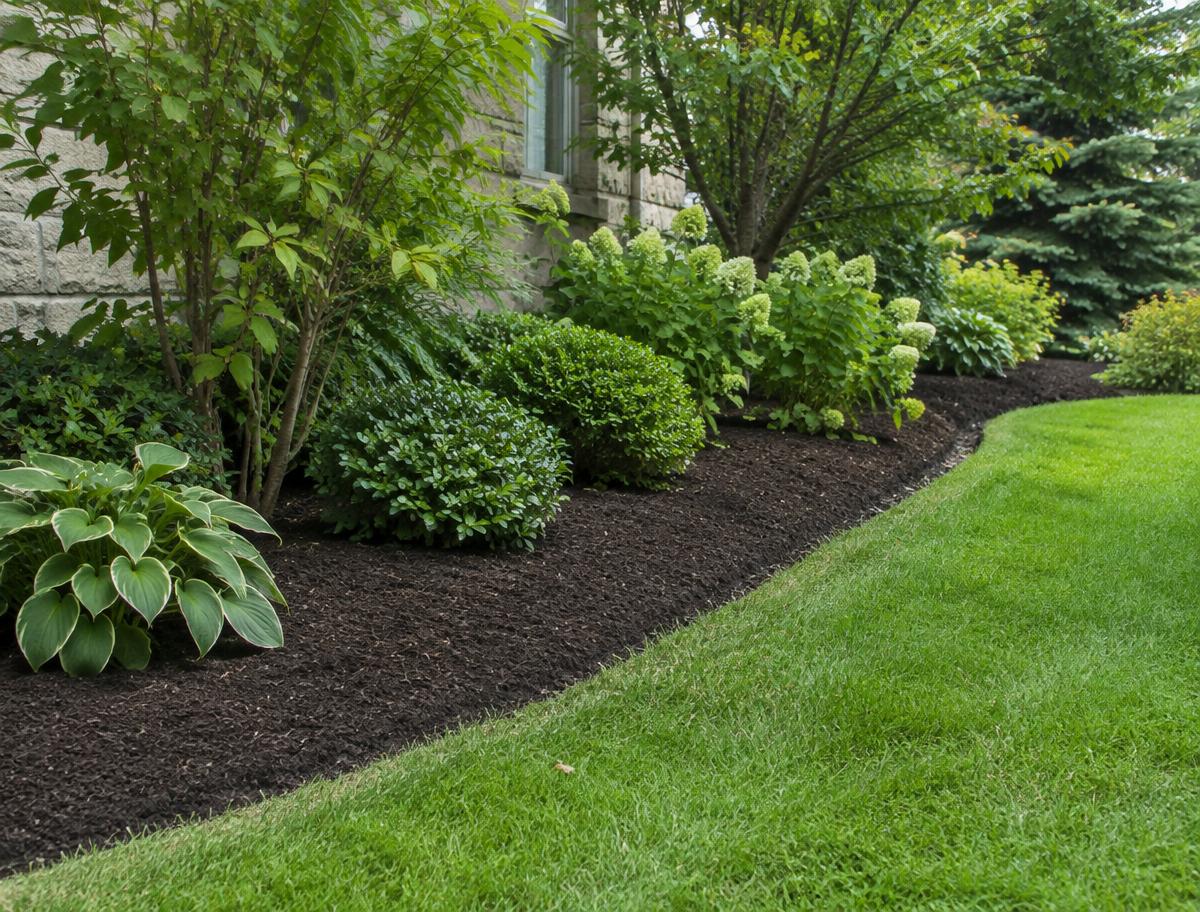
Bed preparation
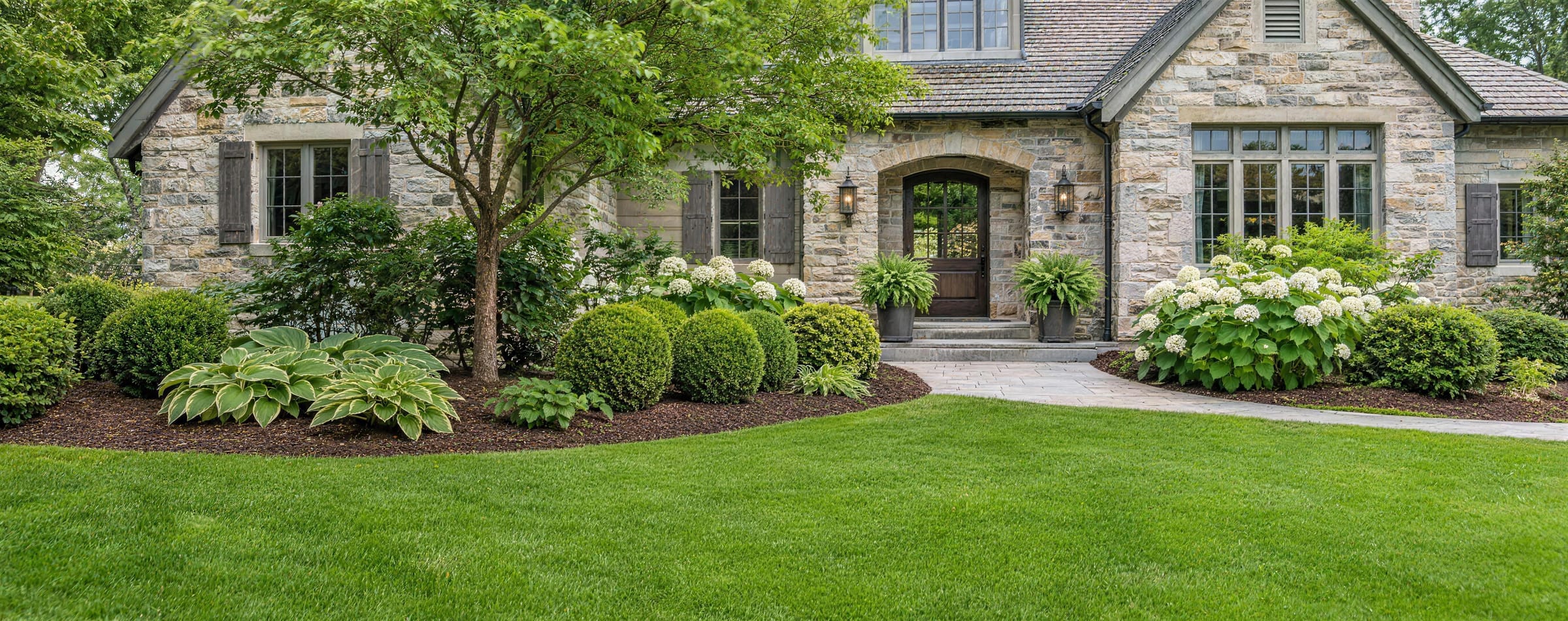
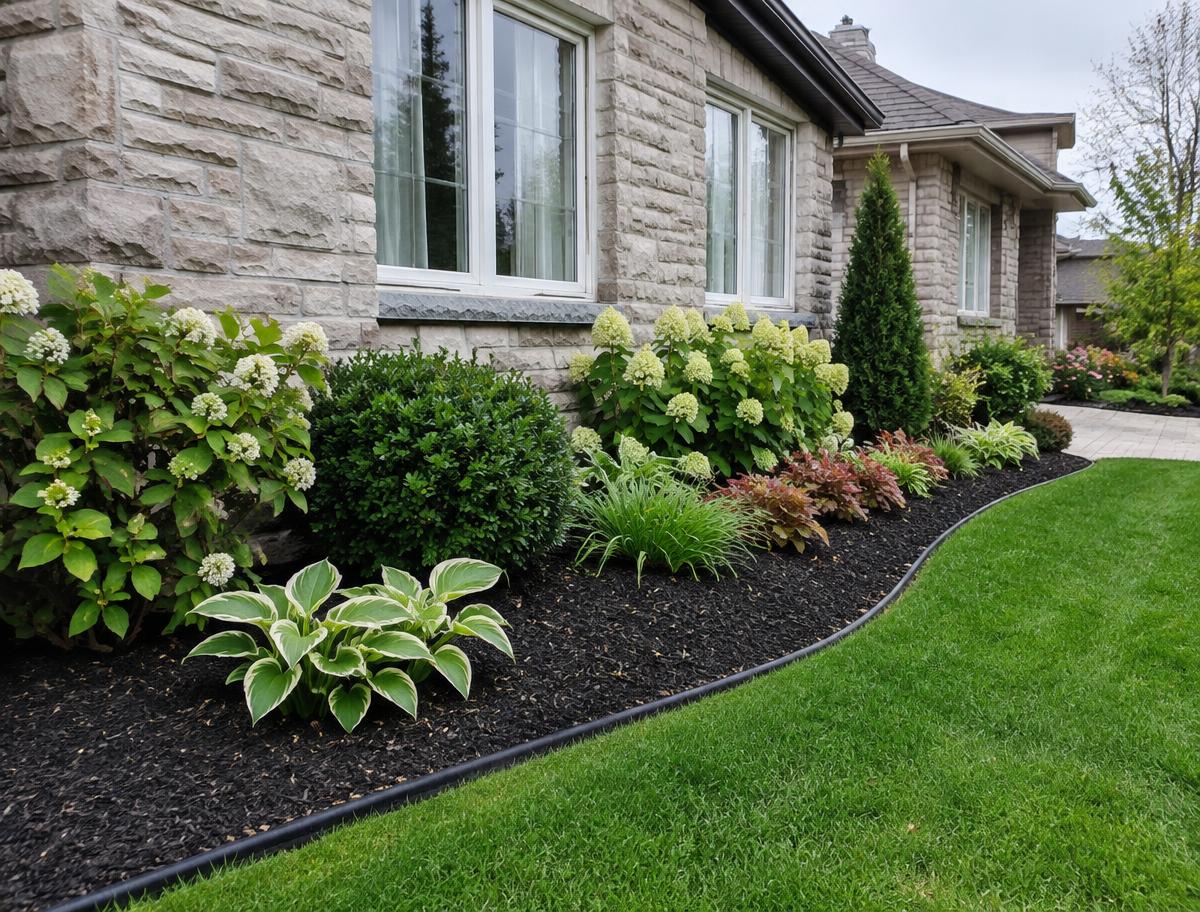
Old mulch removal, edge definition, and a clean, weed-free base prepared before any new material is applied.

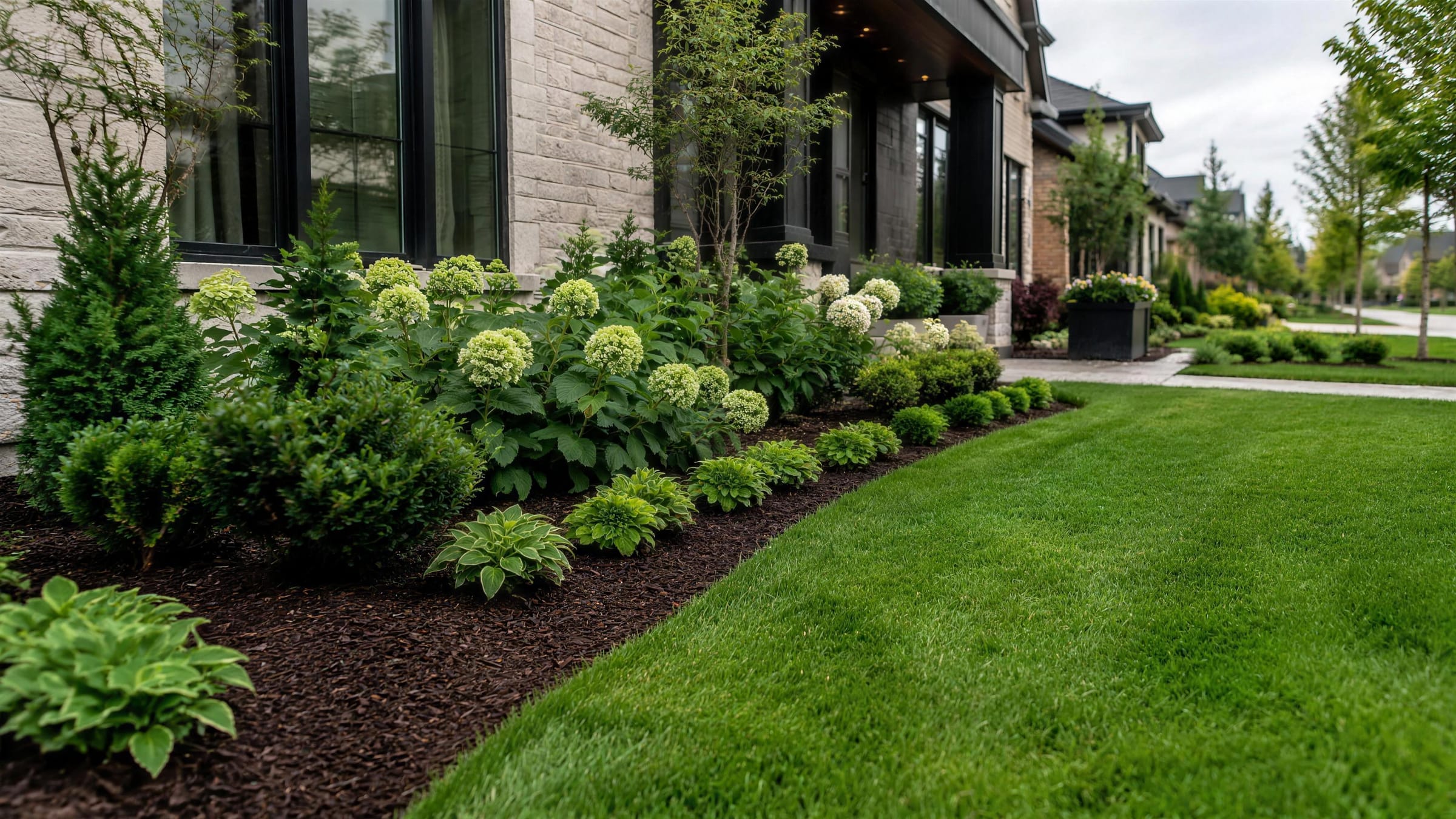
Healthy outdoor spaces start below the surface. The quality of the soil, the protection provided by mulch, and the nutrition available to plants and turf are the foundation of any landscape that looks good season after season.
Get Free EstimateWe supply and install mulch, soil and fertilizer for residential and commercial properties across Toronto and the GTA, preparing each bed, matching materials to your planting and defining edges cleanly, with seasonal fertilizer programs for a healthy lawn.
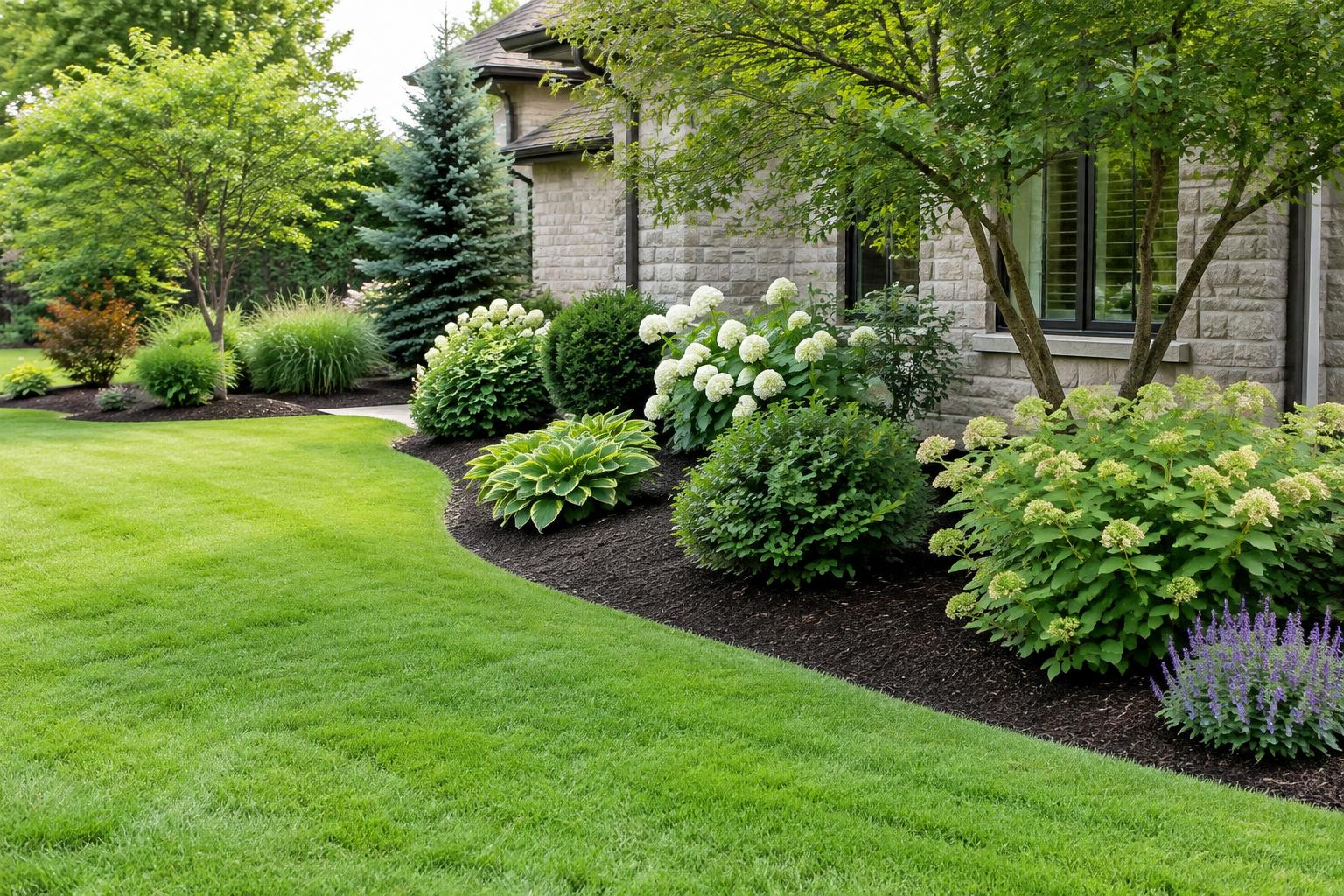
Delivery and installation are handled by our crew — materials are spread evenly to specified depths, beds are edged, and surfaces are left clean at completion.
Get Free EstimateOld mulch removal, edge definition, and a clean, weed-free base prepared before any new material is applied.
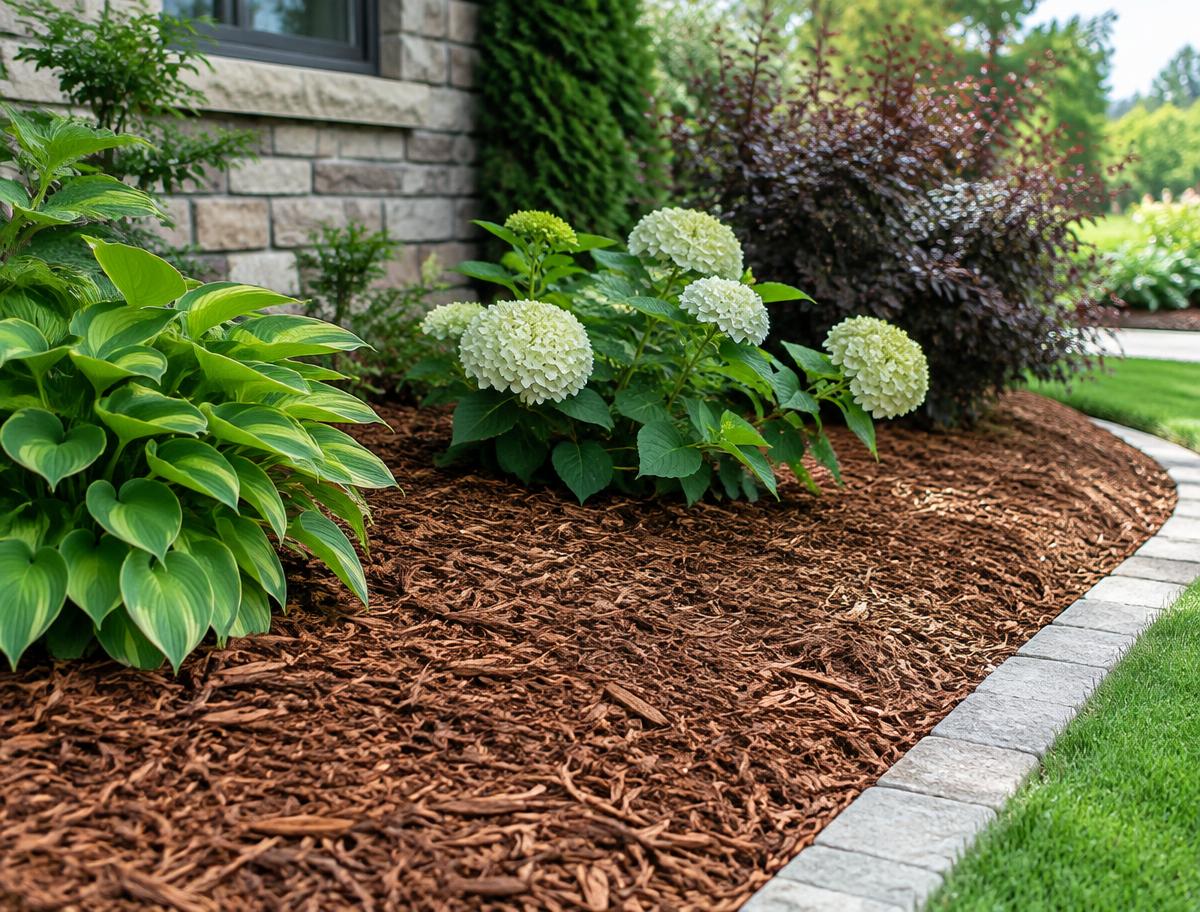
Mulch is sourced fresh and installed with consistent depth so it protects soil moisture and suppresses weeds effectively.
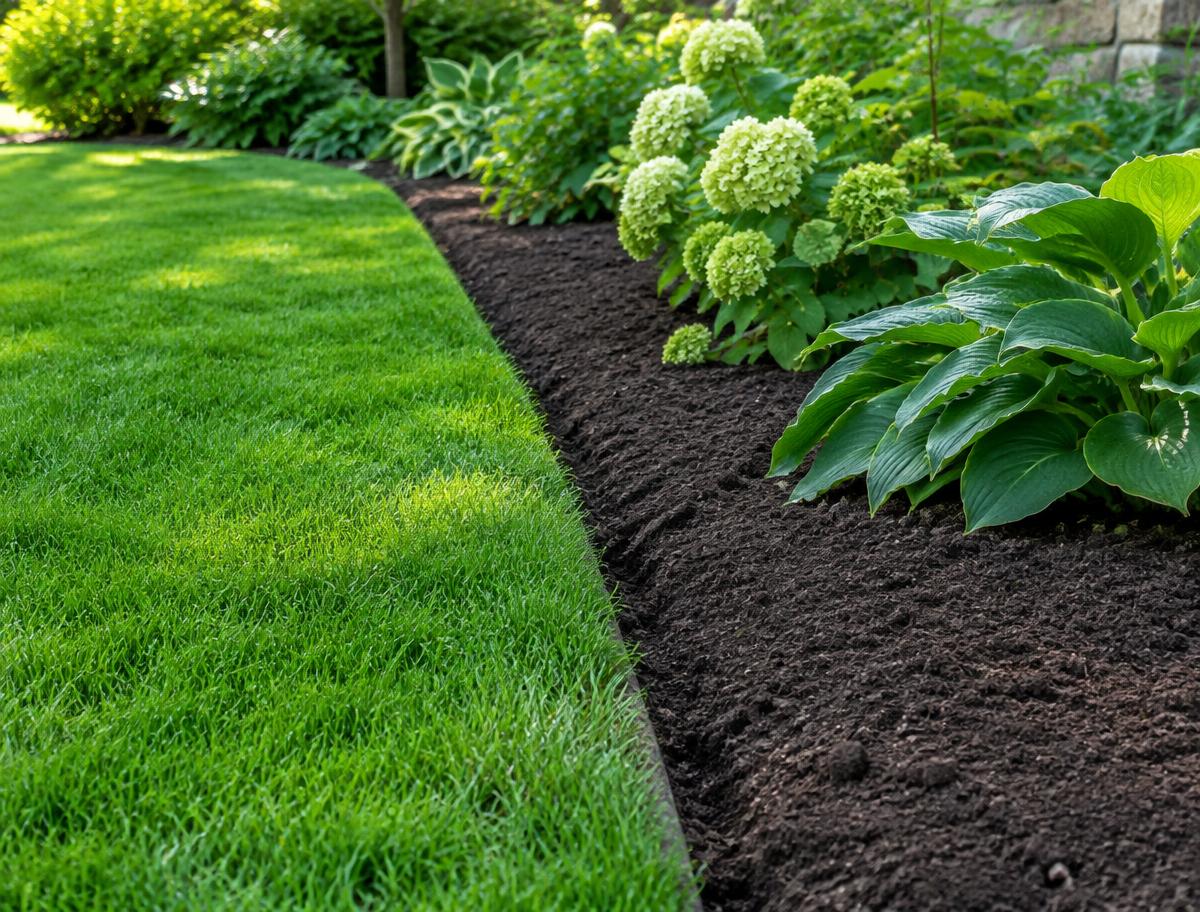
Healthy beds start with proper edges. We re-cut or redefine borders so the finished line stays neat and the mulch stays in place.
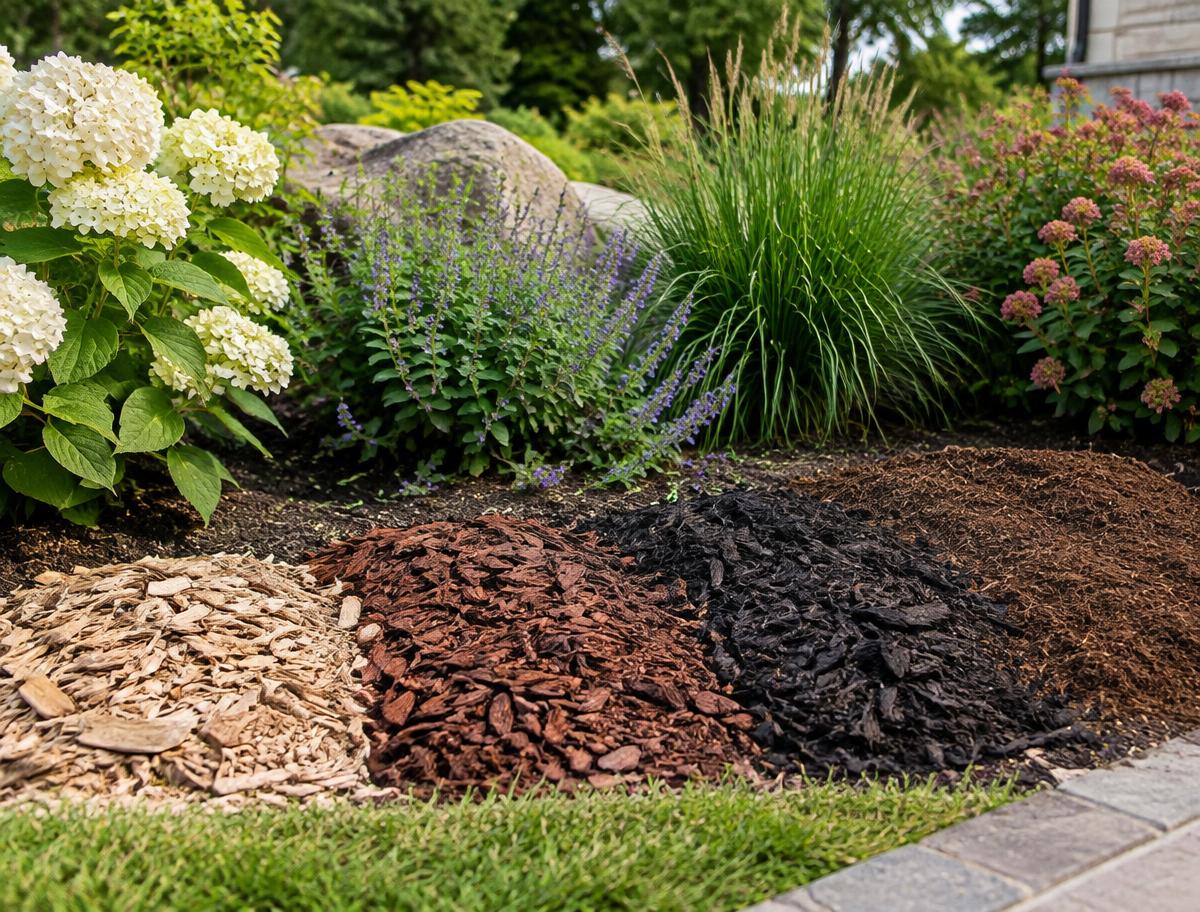
Where colour, texture, or longevity matter, we recommend the right mulch type for your plants, drainage, and maintenance goals.
Mulch retains moisture, moderates soil temperature, suppresses weeds and enriches the soil as it breaks down. Our screened triple mix and specialty mixes give new planting the structure and drainage it needs.
Not sure which to choose?Get a free estimate
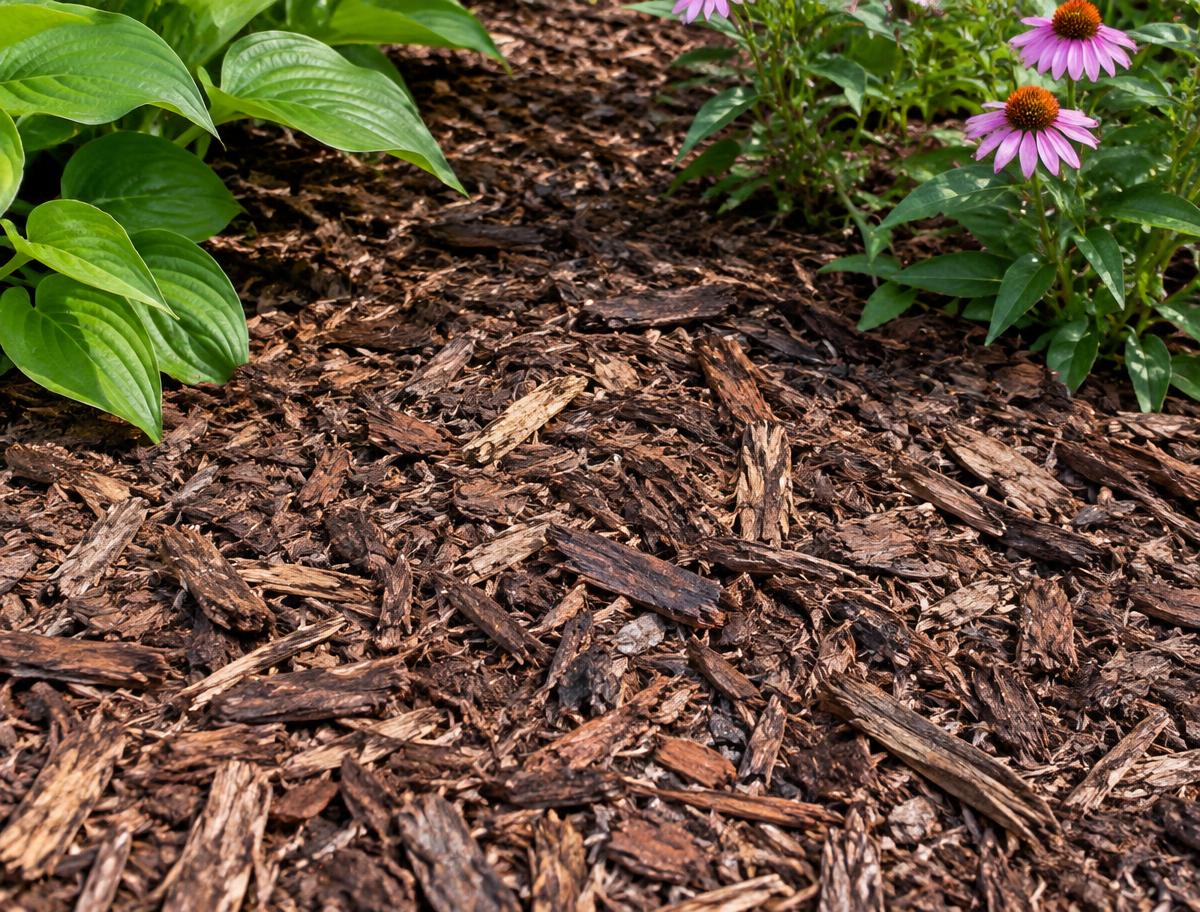
The most common landscape mulch. Shredded hardwood knits together well, resists displacement in wind and rain, and decomposes slowly to enrich soil over time. Available in natural brown and dyed black and red options.
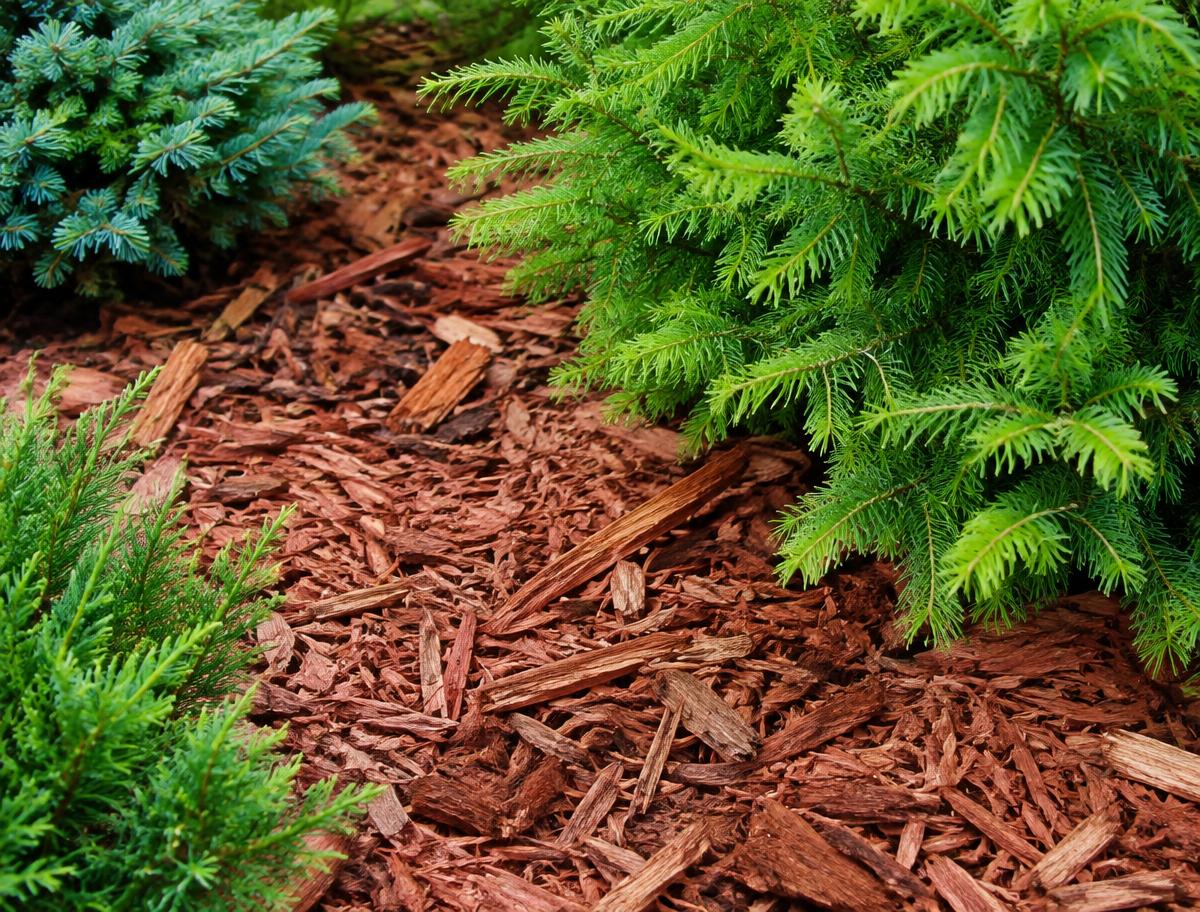
Cedar has natural insect-repelling properties and a pleasant, light fragrance. It is slower to decompose than hardwood mulch and retains its colour well through the season.
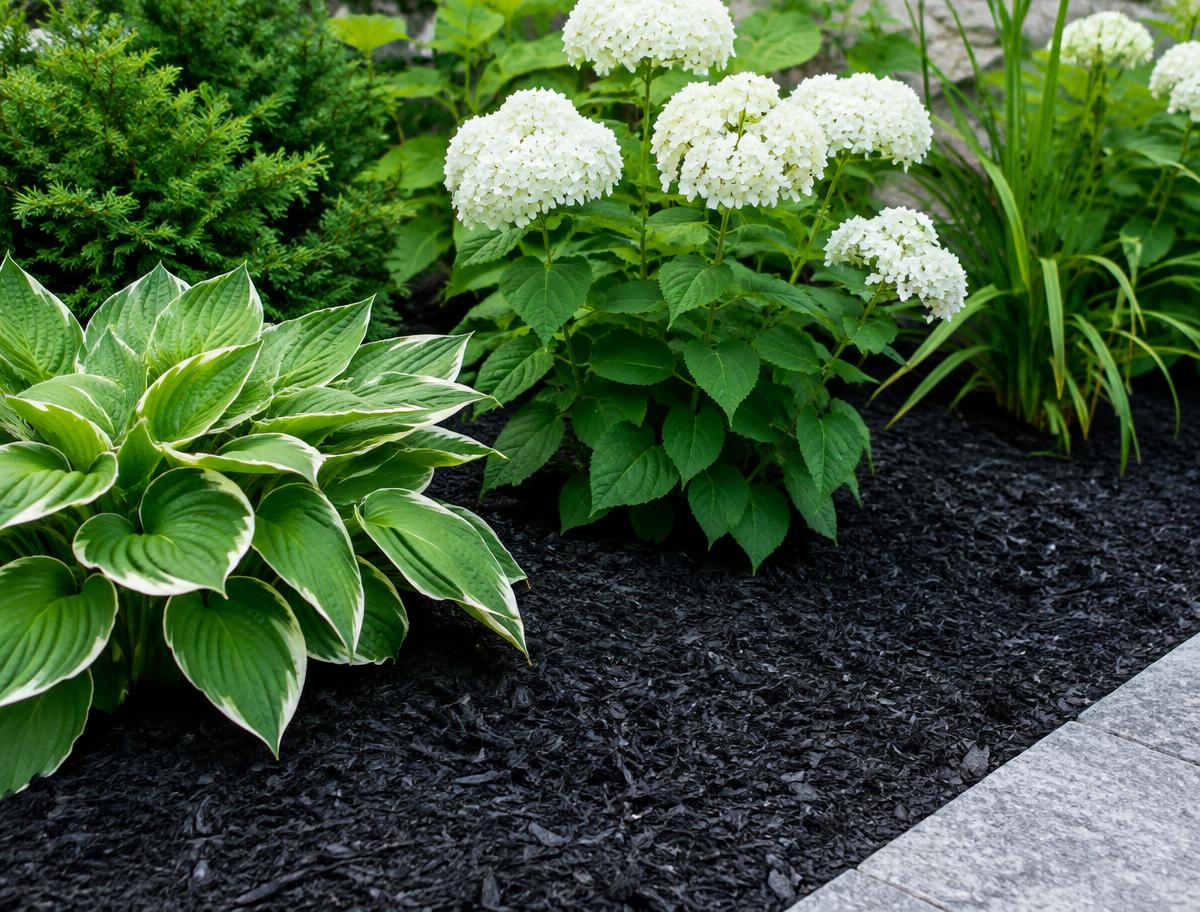
A popular choice for high-visibility residential beds where a clean, uniform, dark colour provides strong contrast against green planting.
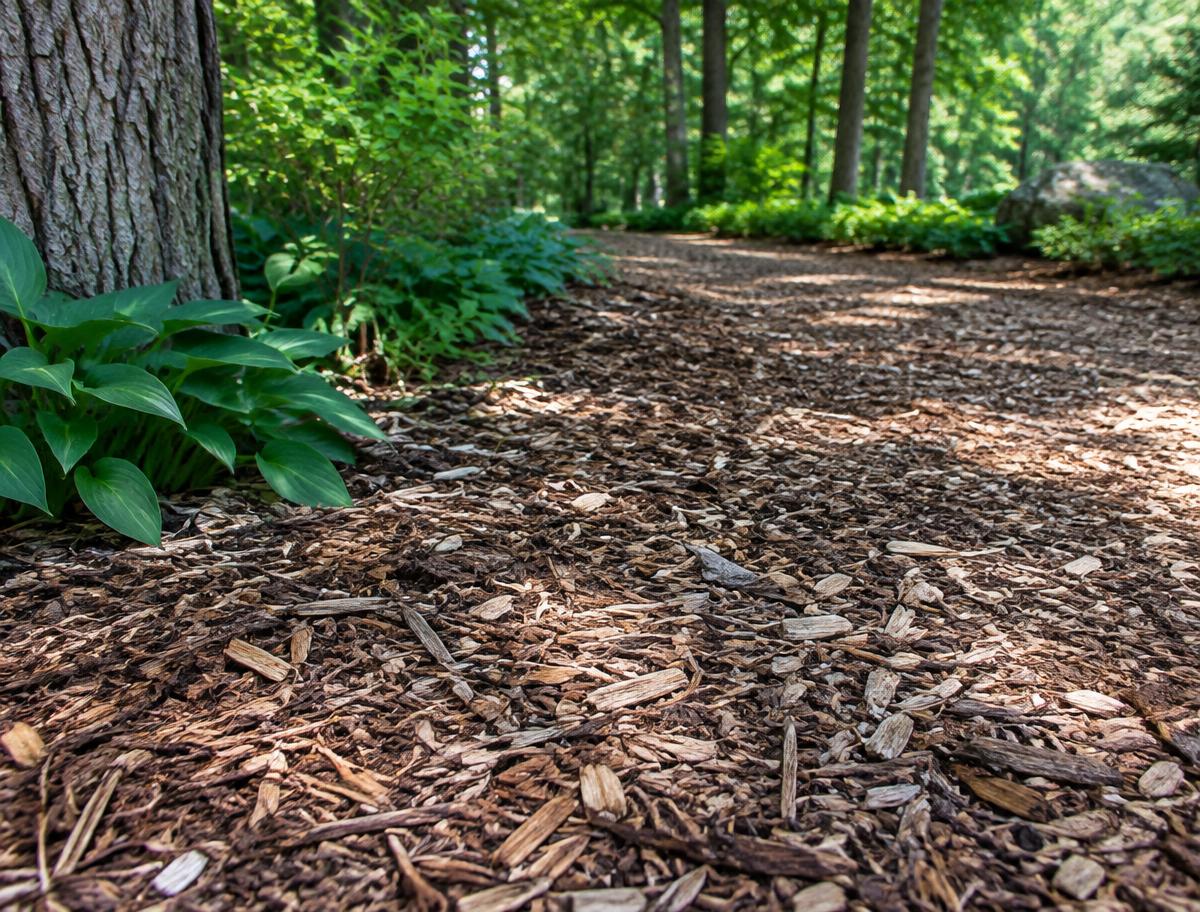
Larger chip material suitable for pathways, play areas, and natural-style planting areas. More economical than shredded mulch and appropriate where a naturalistic appearance is the goal.
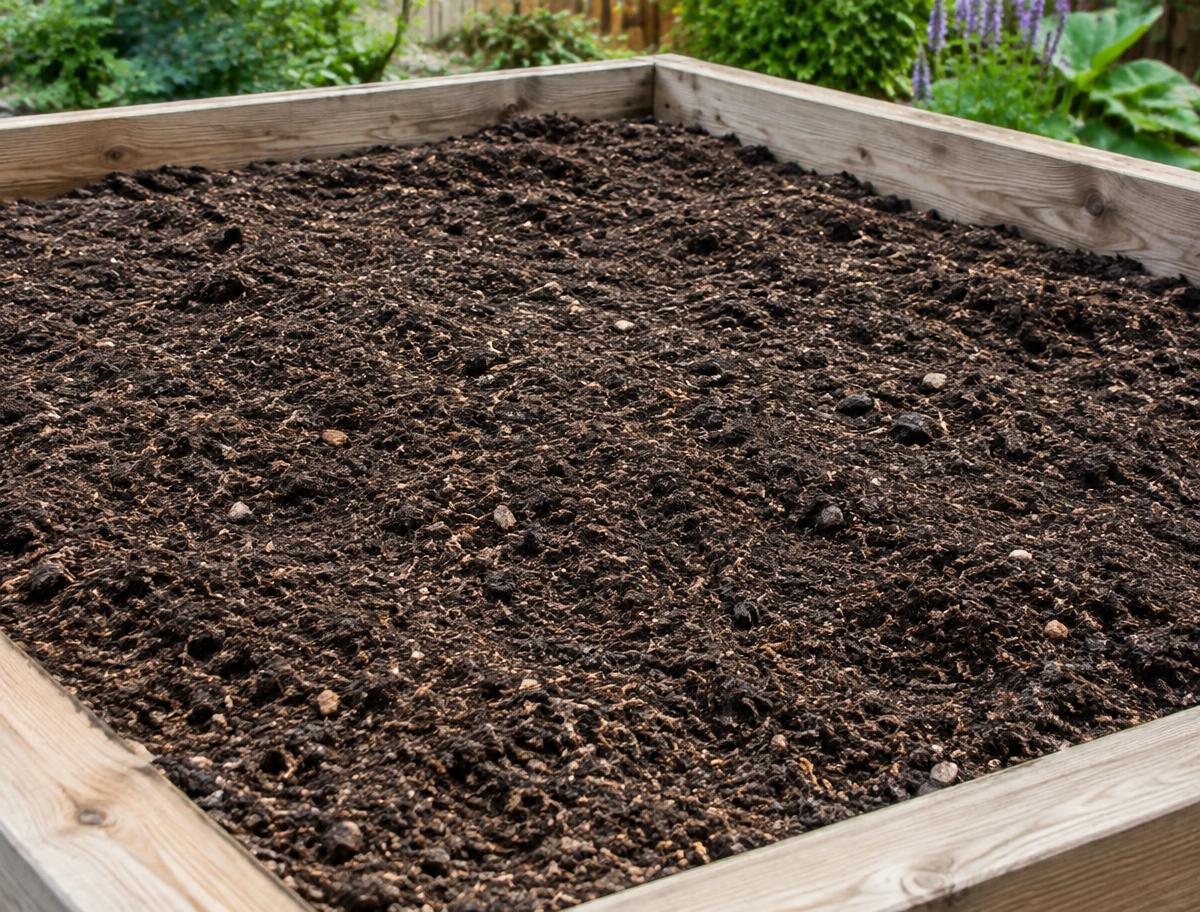
A blend of topsoil, compost and peat moss with the structure and drainage new beds, gardens and lawn repairs need to establish well.
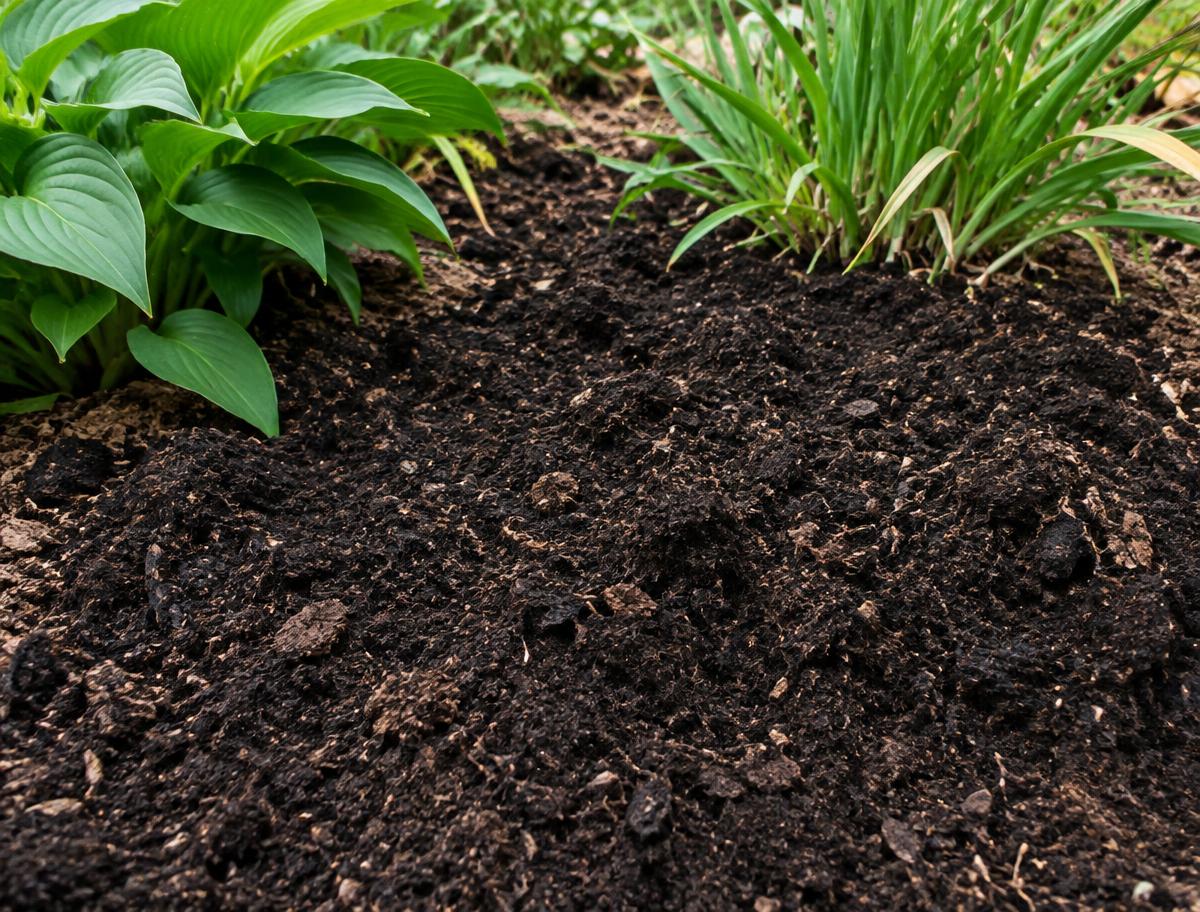
An organic amendment that improves existing beds and prepares new planting areas, adding nutrients and helping soil hold moisture.
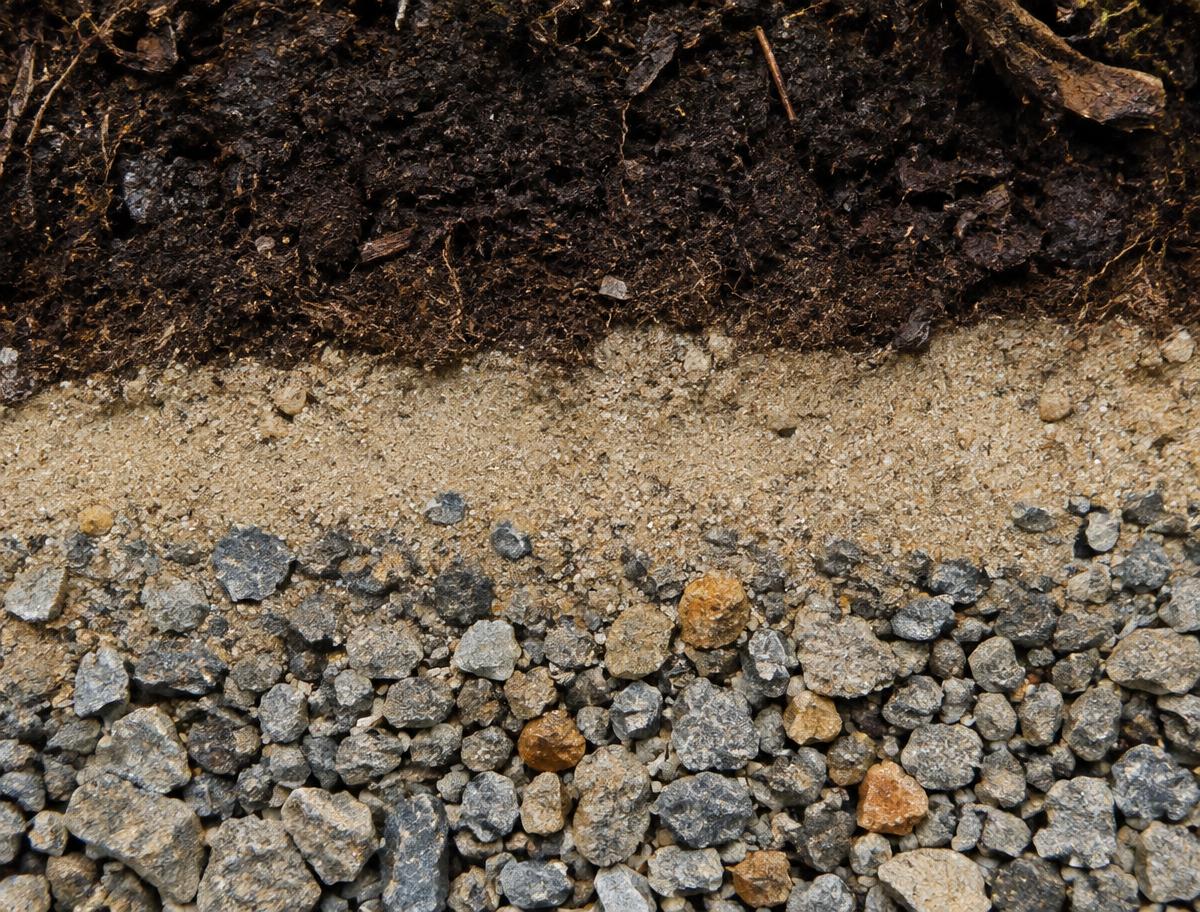
A drainage amendment for heavy or problem soils, worked in so water moves through rather than pooling around roots.
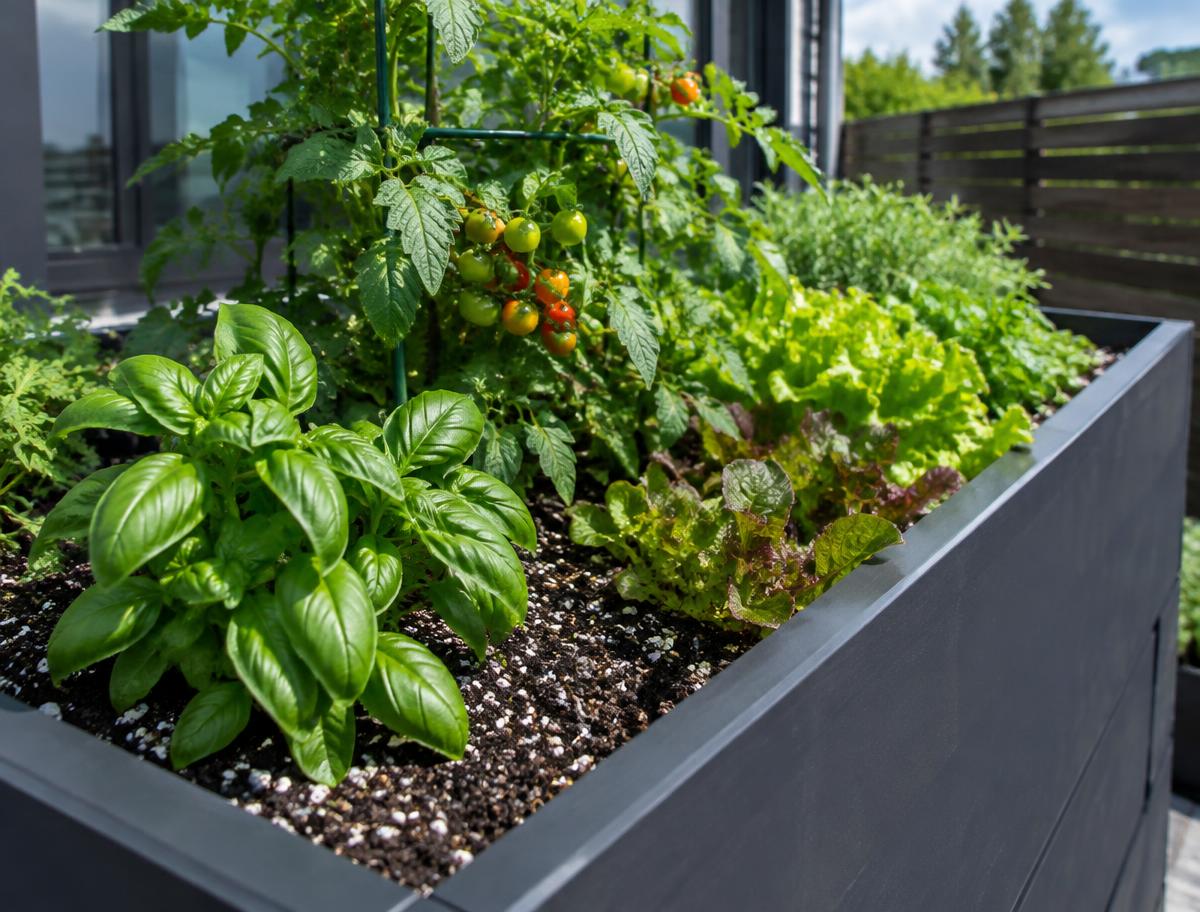
Lightweight growing mixes for raised planters and green roofs, where ordinary topsoil would be too heavy or drain poorly.
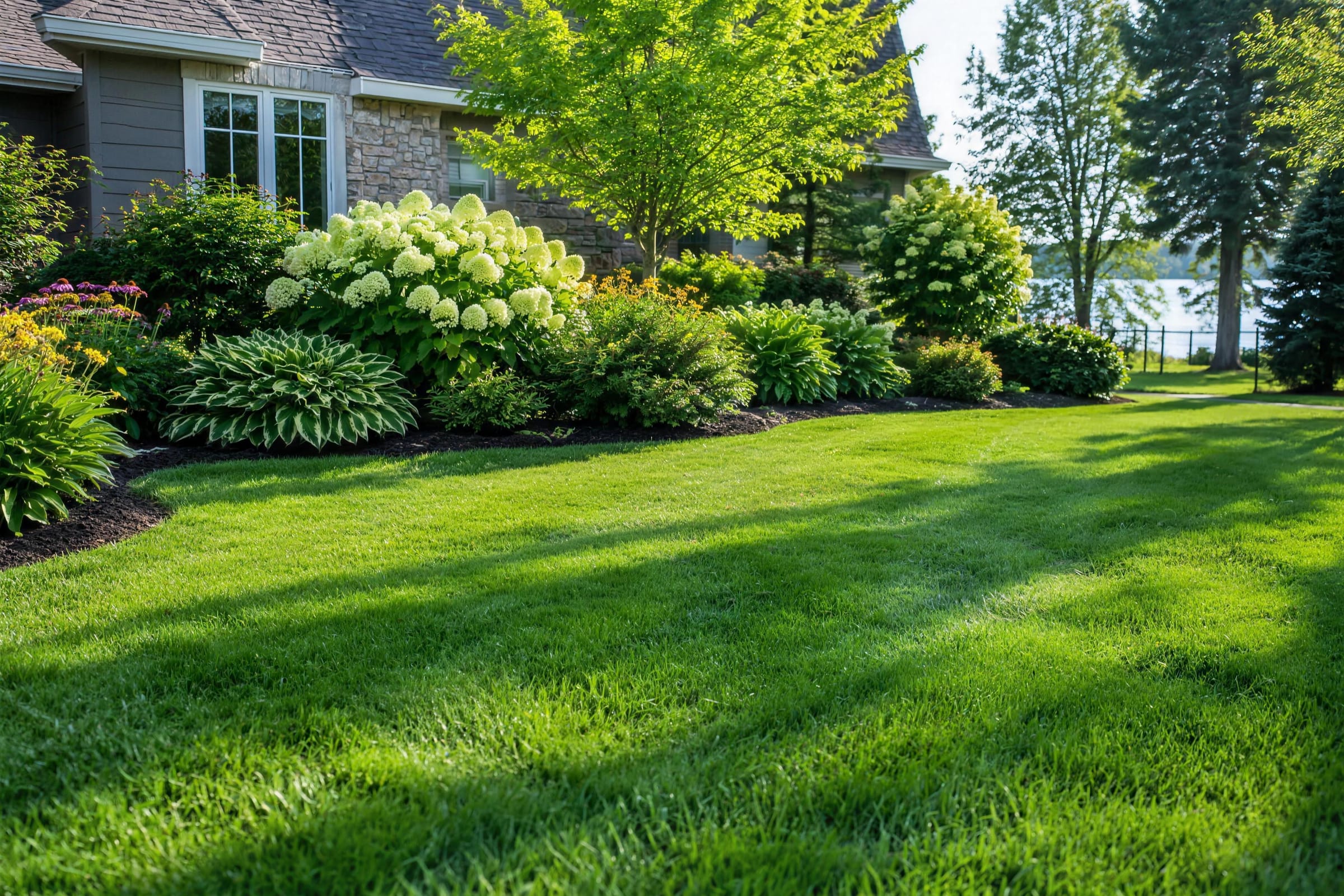
Planning fertilizer?
Tell us about your property and we will arrange a free estimate.
“Soil test, targeted fertilizer and fresh mulch, and the lawn and beds recovered in a single season after years of struggling. It was the first time anyone tested before treating instead of just selling us product.”
“They explained the program instead of just spraying, and the feeding schedule was matched to what the property actually needed. Our grass finally survived August, which it had never done in ten summers here.”
“Mulch depth and edging were done properly, so the beds hold moisture and stay weed-free through August. The whole property looks maintained now, not just mowed.”
Yes. We offer organic and low-input fertilizer programs for clients who prefer to minimize synthetic inputs. Organic programs are particularly popular for properties with children, pets, or proximity to water features.
About 5 to 8 cm (2 to 3 in) is the standard depth for garden beds. Thinner layers do little for weeds and moisture; deeper layers can starve roots of air. Keep mulch pulled back from tree trunks and plant stems, because mulch piled against bark holds moisture and invites rot.
Cool-season lawns like Ontario's do best with feeding in spring and again in fall, when grass is actively growing roots. Avoid fertilizing in the heat of mid-summer or on frozen or dormant turf. Ontario's cosmetic pesticides ban also means combined weed-and-feed products with banned pesticides cannot be used on lawns.
Organic mulch breaks down over time, which feeds the soil but thins the layer. Most beds need a top-up about once a year to keep the 5 to 8 cm depth. Check the depth before adding more instead of adding a full layer every year.
A locally owned, family-run landscaping company delivering design, construction and care across the Greater Toronto Area.
Get Free EstimateGet in touch to discuss mulch installation, soil supply, or a seasonal fertilizer program for your property.
Request your free estimate